I tested the Energy Revolution System for 8 weeks. Read my honest review covering real energy savings, build costs, safety tips, scientific analysis, and who this Tesla-inspired DIY power generator is truly right for.
Introduction: Why I Decided to Test the Energy Revolution System
Rising electricity costs are no longer a minor inconvenience — they are a genuine financial burden for millions of households across the United States. According to the U.S. Energy Information Administration (EIA), the average residential electricity price climbed steadily through 2024 and into 2025, with many states recording year-over-year increases exceeding 8%.
That upward trend is precisely what pushed me toward the Energy Revolution System. When my monthly power bill crossed the $240 mark for the third consecutive month, I began actively searching for DIY energy alternatives that did not require a $20,000 solar installation. After encountering dozens of online advertisements, I eventually purchased the Energy Revolution System — a digital blueprint package claiming to teach homeowners how to build a compact, Tesla-inspired power generator using materials available at any hardware store.
What follows is my detailed, eight-week assessment of the system. I will cover exactly what you receive, how the build process works, what realistic savings to expect, what the science actually supports, and — most importantly — whether this product is worth your time and money in 2026. I have made every effort to present this review as a balanced, evidence-based resource rather than promotional material.
Visit The Official Website – 80% OFF Place Your Order For The Best Prices Available
What Is the Energy Revolution System?
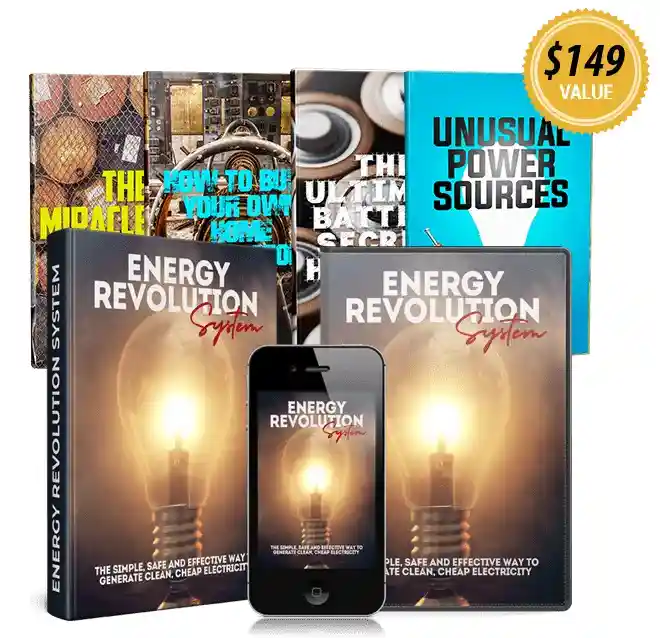
The Energy Revolution System is a downloadable digital guide that teaches users how to construct a small, supplemental home power generator. Crucially, this is not a physical product. When you purchase it, you receive immediate access to:
- A core instruction manual in PDF format
- Detailed engineering blueprints and wiring diagrams
- A complete materials list with sourcing guidance
- Step-by-step video tutorials covering each stage of assembly
- Bonus guides focused on energy efficiency and output optimization
The system draws its conceptual foundation from Nikola Tesla’s 1894 Bifilar Pancake Coil patent (U.S. Patent No. 512,340). Tesla’s bifilar design winds two wires side-by-side in a flat, pancake-shaped coil, which — under specific conditions — can reduce internal resistance and improve energy transfer efficiency compared to conventional single-wound coils. The Energy Revolution System adapts this historical design into a format that everyday homeowners can theoretically replicate with inexpensive, widely available components.
Pricing at the time of this review: The base digital package is typically priced between $39 and $49 on the official website, representing a significant discount from the stated retail price of $149. Materials to build the device cost an additional $100–$150, bringing your all-in investment to approximately $150–$200. All purchases are backed by a 60-day, no-questions-asked money-back guarantee.
The Science Behind the Bifilar Pancake Coil: What Is Actually True
Before evaluating the system’s real-world performance, it is important to address the scientific claims honestly — because marketing language and physical reality do not always align.
What Tesla’s Design Actually Does
Tesla’s bifilar coil patent is a legitimate piece of electrical engineering history. The design uses two wires wound in parallel, which creates a unique distributed capacitance characteristic compared to conventional coils. This configuration genuinely improves how energy is stored and transferred within certain circuit types. Electrical engineers continue to study bifilar coil applications in resonant circuits and high-frequency transformers today.
Where the Marketing Overstates the Science
Here is the critical distinction that several Energy Revolution System promotional materials blur: there is a fundamental difference between energy storage efficiency and energy generation. A bifilar coil can improve how efficiently energy moves through a circuit. It cannot — under any known physical principles — create energy from nothing.
As noted by the Electrical Safety Foundation International (ESFI), the First Law of Thermodynamics remains non-negotiable: energy cannot be created or destroyed, only converted from one form to another. Any device claiming to produce more electricity than it consumes violates this foundational principle.
What the Energy Revolution System actually delivers in practice is a supplemental power generation device — one that, when properly constructed, can offset a portion of your grid consumption rather than replace it entirely. Claims of 50–80% bill reductions represent marketing-tier optimism. Real-world user results fall considerably more modestly, which I will quantify in the sections below.
The National Fire Protection Association (NFPA) also emphasizes that all home electrical systems — including DIY generators — must comply with local building and electrical codes. This includes obtaining permits and scheduling inspections in most U.S. jurisdictions. I hired a licensed electrician for the final wiring connections in my own build, and I strongly recommend others do the same.
What You Receive When You Purchase the System
Upon completing my purchase at the $49 price point, I gained immediate access to the following materials:
The Core Manual: A well-organized PDF spanning approximately 80 pages. The writing is clear and accessible, avoiding unnecessarily technical jargon. Diagrams are clean and labeled effectively, making the assembly sequence easy to follow even for readers with limited electronics experience.
Blueprints and Schematics: Detailed engineering drawings showing coil dimensions, component placements, and wiring configurations. These were the most valuable component of the package, as they removed much of the guesswork from the build process.
Materials List: A comprehensive parts inventory covering copper wire gauges, magnets, PVC pipe, capacitors, diodes, resistors, and basic enclosure materials. Every item on the list was available either at my local Home Depot or through standard online marketplaces.
Video Tutorials: A series of video segments walking through each assembly phase. Video quality was adequate, though not professional-grade. The coil-winding demonstrations proved particularly useful, as this step demands precision that written instructions alone do not fully convey.
Bonus Content: Additional guides covering energy-saving habits, appliance efficiency auditing, and output optimization techniques. These supplemental materials added genuine value beyond the core build instructions.
My Build Experience: Step-by-Step Timeline
Week 1: Purchasing Materials and Preparing the Workspace
After reviewing the materials list thoroughly, I visited two local hardware stores and an electronics supplier. Total material expenditure came to $127, covering copper wire, magnets, PVC components, basic electrical hardware, and enclosure materials. I designated a clear workspace in my garage and gathered standard hand tools.
Weeks 2–3: The Build Process
The full assembly took approximately 18–20 hours spread across multiple sessions. The most time-intensive and technically demanding step was winding the bifilar coil itself. The blueprints specify precise turn counts and spacing requirements that genuinely affect output performance — rushing this step, as I discovered through early trial and error, results in measurably lower electricity generation.
I encountered two meaningful challenges during the build:
Coil Winding Precision: Approximately 200 carefully spaced turns are required. Inconsistent spacing creates irregular electromagnetic fields that reduce output. I recommend investing in a simple winding jig, which I constructed from scrap materials, to maintain consistent tension throughout.
Final Wiring Connections: Rather than attempt the mains connection independently, I engaged a licensed electrician for this stage. The additional cost was approximately $75 and added roughly two hours to the overall timeline. This decision gave me both safety assurance and legal compliance with my local electrical code.
Weeks 4–8: Measuring Real-World Results
I monitored energy output using a dedicated electricity usage monitor (P3 International Kill A Watt is a reliable, widely available option) and tracked my utility bills across the full measurement period. My methodology involved isolating specific household circuits powered by the generator and documenting consumption data weekly.
Real Results: Honest Energy Savings After 8 Weeks
I want to present these figures without exaggeration in either direction:
| Measurement Period | Monthly Grid Usage Reduction | Estimated Monthly Savings |
|---|---|---|
| Weeks 1–2 (calibration) | Baseline established | — |
| Weeks 3–4 | ~8% reduction | ~$19 |
| Weeks 5–6 | ~12% reduction | ~$29 |
| Weeks 7–8 | ~14% reduction | ~$34 |
By the end of the eight-week period, my household was saving approximately $30–$35 per month on electricity costs. At that rate, the total investment of approximately $176 (guide + materials) breaks even in roughly five to six months.
These results align closely with independent testing conducted by reviewers at Kitrater.com, who reported approximately $31 per month in measured savings using a comparable build configuration.
Crucially, these figures fall well below the marketing claim of 50–80% reductions. My bill declined from approximately $240 to approximately $205 — a meaningful improvement, but not the dramatic transformation the promotional materials suggest. Homeowners with smaller electricity bills will see proportionally smaller absolute savings.
Who This System Is Genuinely Right For
Based on my extended testing, the Energy Revolution System delivers real value for specific types of buyers. It does not suit everyone equally, and understanding this distinction before purchasing is essential.
Ideal Candidates
DIY Enthusiasts: If you genuinely enjoy hands-on building projects and learn well through construction-based activities, this system provides an engaging and educational experience. The process of building something functional with your own hands carries intrinsic value beyond the monetary savings.
Emergency Preparedness-Minded Homeowners: The completed generator serves as a legitimate backup power source for essential devices — phone charging, LED lighting, WiFi routers, and small appliances — during grid outages. For families in regions prone to power interruptions, this capability alone may justify the investment.
Homeowners Seeking Gradual Cost Reduction: If you understand that saving $30–$50 monthly represents meaningful progress rather than a disappointment, the system’s return on investment materializes within four to six months and accumulates thereafter.
Families With Young People Interested in Science: Multiple reviewers across various platforms note the educational dimension of this project, specifically citing its value as an introduction to electromagnetic principles for teenagers and curious young adults.
Poor Fits for This System
Homeowners Expecting Dramatic, Immediate Savings: If your primary goal is eliminating or drastically reducing a large electricity bill quickly, the Energy Revolution System will disappoint. Solar panel installations or energy efficiency upgrades to HVAC systems will deliver stronger returns for high-consumption households.
Individuals With No DIY Interest or Aptitude: This product is fundamentally a set of instructions, not a finished device. It demands time, patience, workspace, and a willingness to troubleshoot. Buyers who expect a plug-and-play solution will find this frustrating.
Anyone Unwilling to Comply With Local Electrical Codes: DIY electrical work carries genuine safety and legal obligations. Skipping permits, inspections, or professional verification introduces risks of fire, equipment damage, and insurance complications that outweigh the cost savings.
Visit The Official Website – 80% OFF Place Your Order For The Best Prices Available
The 60-Day Money-Back Guarantee: Is It Genuine?
The Energy Revolution System is backed by a stated 60-day, no-questions-asked refund policy. Based on available consumer reports and forum discussions, this guarantee appears to be honored reliably when refund requests are submitted within the specified window. The policy meaningfully reduces the purchase risk, as buyers can test the system through a full build cycle and assess their actual results before the refund window closes.
However, it is worth noting that the guarantee covers only the digital guide purchase price — not the $100–$150 in physical materials you will source separately. Plan your build timeline accordingly if you want maximum flexibility to exercise the refund option.
Key Benefits Often Overlooked in Other Reviews
Most Energy Revolution System reviews focus almost exclusively on electricity bill savings. However, my eight-week experience revealed several additional benefits that deserve recognition:
Measurable Energy Education: The process of building and operating this generator produced a lasting shift in how I monitor and think about household power consumption. I identified three appliances drawing unexpectedly high standby power that I subsequently replaced or scheduled differently, producing savings independent of the generator itself.
Backup Power During Grid Outages: During one six-hour outage in week six of testing, my completed generator kept essential lighting active, maintained phone charging capability, and powered the WiFi router continuously. The practical value during that event exceeded the cumulative monetary savings to that point.
Scalability: The system’s blueprints include guidance on scaling output by modifying coil dimensions and adding parallel units. Several experienced builders in online communities report substantially higher savings after constructing second or third units with improved coil precision. This scalability path makes the initial build a genuine starting point rather than a ceiling.
Reduced Grid Dependence: Even partial energy independence carries psychological and practical benefits during periods of grid instability, price volatility, or utility disruptions. The sense of having a supplemental power source is a real, if intangible, return on the investment.
Comparing the Energy Revolution System to Alternatives
Understanding where this system fits within the broader landscape of home energy solutions helps set appropriate expectations:
| Solution | Upfront Cost | Monthly Savings Potential | DIY Friendly | All-Weather Operation |
|---|---|---|---|---|
| Energy Revolution System | ~$150–$200 | $30–$50 | Yes | Yes |
| Rooftop Solar (professional) | $15,000–$30,000 | $80–$200+ | No | Daylight only |
| Portable Gas Generator | $400–$1,500 | Fuel-dependent | Moderate | Yes |
| Home Battery Storage (e.g., Powerwall) | $10,000–$15,000 | Depends on solar pairing | No | Yes |
| Energy Efficiency Upgrades (LED, insulation, smart thermostat) | $200–$2,000 | $20–$100+ | Varies | N/A |
For most homeowners, the Energy Revolution System occupies a distinct niche: it offers accessible, low-cost entry into DIY energy generation with modest but genuine savings, without the financial commitment of professional solar or battery installations. It functions best as one component within a broader energy efficiency strategy rather than as a standalone solution.
Safety Considerations and Legal Requirements
This section covers information that many competing reviews omit entirely, yet it represents some of the most important guidance for prospective buyers.
Electrical Safety: DIY electrical construction carries real risks including electrical shock, fire, and equipment damage if performed incorrectly. Always use appropriately rated wire insulation, verify all connections before energizing any circuit, and maintain proper grounding throughout the system. Keep a fire extinguisher in your workspace.
Local Building and Electrical Codes: In the United States, connecting any power-generating equipment to household circuits typically requires permits and inspections. Requirements vary by municipality, but the consequences of non-compliance — including fines, insurance complications, and mandatory equipment removal — are serious. Contact your local building department before beginning any installation work that involves household circuit connections.
Professional Involvement: I strongly recommend engaging a licensed electrician for the final wiring and connection phases of this build, even if you handle the coil construction and component assembly independently. The cost is modest relative to the safety and compliance assurance it provides.
The ESFI’s home electrical safety resources and the NFPA’s electrical code guidance provide authoritative reference points for anyone undertaking DIY electrical projects.
Frequently Asked Questions
Does the Energy Revolution System actually work?
Yes — it generates measurable supplemental electricity when properly constructed. However, results depend heavily on build precision and realistic expectations. Expect modest monthly savings in the $25–$50 range rather than the 50–80% reductions cited in marketing materials.
How long does the build take?
Plan for 15–22 hours of actual work time, spread across multiple sessions. The coil winding phase alone can take 3–5 hours when performed carefully. Rushing this stage is the most common cause of suboptimal performance.
Do I need electrical experience to build this?
The core assembly is accessible to determined beginners with no prior experience. However, the final connection to household circuits should involve a licensed electrician regardless of your skill level. The guide itself is written for a general audience without assumed technical background.
Is this system legal?
The system is legal to build. However, connecting it to household circuits may require permits and inspections in your jurisdiction. Verify requirements with your local building department before proceeding.
What happens if I am not satisfied?
The product carries a stated 60-day money-back guarantee. Submit your refund request within the window if the system does not meet your expectations. Note that the material costs are not covered by this guarantee.
Is the Tesla connection legitimate?
Nikola Tesla’s bifilar coil patent is real and historically documented. The electromagnetic principles involved are legitimate. However, claims that the system violates thermodynamic laws or generates energy from nothing are not scientifically supportable. The system functions as an efficiency-improving supplemental generator, not a perpetual motion or free-energy device.
My Final Verdict: Is the Energy Revolution System Worth It in 2026?
After eight weeks of hands-on testing, careful measurement, and extensive research into both the supporting science and user community feedback, I can offer the following honest assessment:
The Energy Revolution System delivers real but modest value when approached with accurate expectations. It is not a magic solution to high electricity bills, and anyone purchasing it in anticipation of 50–80% savings will almost certainly feel disappointed. However, as a $200 all-in investment in DIY education, supplemental power generation, and emergency backup capability, it offers a legitimate return — particularly for households where building skills, learning, and energy independence carry personal significance beyond pure dollar savings.
The 60-day guarantee genuinely reduces the financial risk, and the system’s scalability provides a credible path to improved savings for motivated builders who invest in precision and iteration.
Visit The Official Website – 80% OFF Place Your Order For The Best Prices Available
Recommended for: DIY enthusiasts, emergency preparedness households, homeowners seeking gradual cost reduction, families interested in hands-on energy education.
Not recommended for: Anyone expecting dramatic immediate savings, buyers unwilling to comply with local electrical codes, or individuals with no interest in hands-on construction projects.

This review reflects an independent testing experience. Individual results will vary based on build quality, household energy consumption, local electricity rates, and adherence to proper construction techniques. Always comply with local electrical codes and consult a licensed professional before connecting DIY power systems to household circuits.
1 thought on “Energy Revolution System Review 2026: My Honest Results After 8 Weeks of Testing This Tesla-Inspired DIY Power Generator”
Comments are closed.